BREAST REDUCTION
What does breast reduction involve?
A breast reduction aims to bring the size of your breasts more in line with your overall body proportions, whether you want it for physical or psychological reasons. A breast reduction involves removing a certain amount of skin and excess glandular tissue from the breast. Often, the nipple and areola are reduced in size and placed higher.
When will you benefit from a breast reduction?
A breast reduction and/or nipple reduction is usually performed out of medical necessity. It is usually performed on women whose breasts are too large in proportion to the rest of their body. If your breasts start to restrict your freedom of movement or cause you physical discomfort such as shoulder, neck or back pain, you may benefit from a breast reduction. Men who suffer from excessive mammary gland formation (see gynaecomastia) may also qualify for a breast reduction.
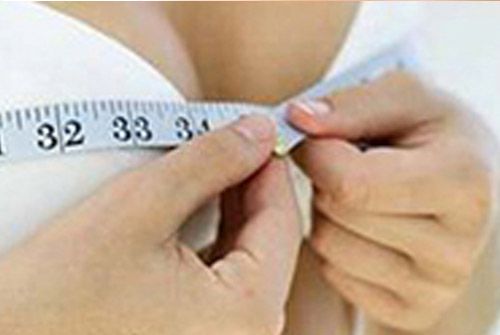
During an initial consultation, Dr Lemmens will inform you in detail about the available surgical techniques and their pros and cons. You will also receive detailed information on the course of the surgery and what to expect from the consequences and recovery phase. The specific consequences for you can be estimated to a limited extent after an examination of your breasts, the elasticity of your skin and the quality and quantity of your mammary gland tissue.
Before the procedure, you will be admitted to the hospital for a short time. You will be expected there sober and the surgical pattern will be drawn on your breasts. The procedure is performed under anaesthesia. An incision is made on the underside of your breast and excess skin and glandular tissue are removed. The breasts are given a natural shape and often the nipple is repositioned and the areola is reduced in size. The procedure takes about two hours. The removed tissue is sent for a routine examination.
Shortly after the procedure, the breasts are swollen and often taped for support. Regular bruising also occurs. The effective result can therefore only be seen a week after the procedure. Your recovery will be closely monitored by Dr Lemmens through regular check-ups, and after about three weeks you will be able to resume all your daily activities. You can resume sports after about six weeks, provided you do not put too much strain on the arm muscles. Our team will also carefully explain the aftercare of your breasts. For example, for about six weeks after the treatment you are advised to wear a bra without underwire.
After a breast reduction, you will usually have a circular scar around the areola with a spur towards your inframammary fold. The scar in the inframammary fold itself is usually not visible. Over time, the scars will fade and become less noticeable. The duration depends on your skin type.